Do Honeycomb Shades Really Cut Kansas City, MO Energy Bills? You Might Be Surprised!
Quick Summary
Honeycomb shades in Kansas City, MO trap air in hollow cells year-round while double cell shades add insulation depth for west- and south-facing windows. At Solar Shield Blinds, we bring cellular shade samples to your home. Savings depend on window count, sun exposure, and insulation levels.
Honeycomb Shades In Kansas City, MO: Do They Cut Energy Bills?
How Cellular Window Shades Actually Work
Do honeycomb shades in Kansas City, MO actually cut your energy bills, or is that more marketing than reality?
Between brutal summer heat and Midwest winters, it's a fair question to ask before spending money on new window treatments. The honest answer depends on how the shade is built and where it's installed.
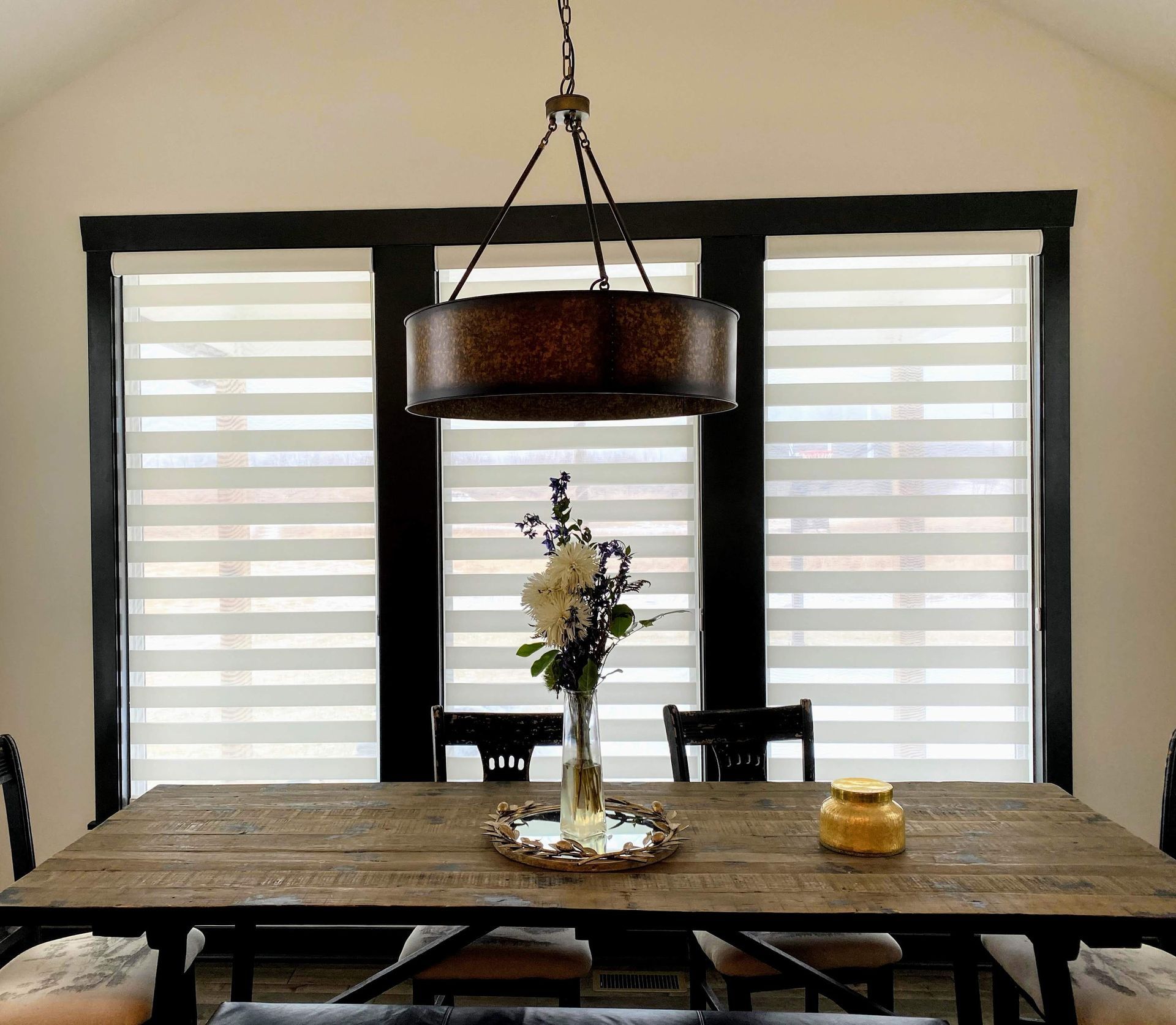
Honeycomb shades get their name from a cellular structure that traps a layer of air between your window and the room, acting as insulation rather than just a light blocker. Double-cell versions trap even more air than single-cell designs, which is part of why insulation performance varies between models.
Although honeycomb shades won't outright replace a furnace or AC unit, the insulating layer they create can take a real bite out of how hard your home's system has to work–and that's worth understanding before you decide if they're right for your windows.
Honeycomb Shades In Kansas City, MO & Thermal Loss Through Your Windows
Did you know windows are the weakest thermal link in most homes?
An R-value measures a material's ability to resist heat transfer–the higher the number, the better it insulates. Wall insulation typically runs R-13 or higher, while a standard double-pane window lands around R-2. That gap is where conditioned air quietly escapes all year.
Adding energy-efficient window shades to the glass is the most direct fix because it closes that gap without replacing the window itself–and you can take that insulation a step further with cordless cellular shades.
That’s because when lowered to the sill, both corded and cordless cellular shades create a sealed pocket. That pocket slows conduction–the movement of heat through glass–and convection–the circulation of cool room air against a cold pane.
The result is a warmer perimeter in January and a cooler room in July, and a system that runs less to maintain your set temperature.
Additionally, west- and south-facing windows take the hardest hit from the afternoon sun. Which means those are the rooms where custom honeycomb shades pay back fastest.
Choosing Single Or Double Cell Honeycomb Shades In Kansas City, MO
Single-cell honeycomb shades work well on interior windows, north-facing rooms, and spaces where light control is the priority rather than insulation depth.
Double cell honeycomb shades, on the other hand, are a better call for large glass areas or rooms with a heat problem. The added cell layer adds meaningful resistance where you need it most.
Both options also come in light-filtering, room-darkening, and blackout fabric weights:
- Room-Darkening – Keeps most light out for a dimmer space.
- Light-Filtering–Lets diffused daylight through while blocking direct sun.
- Blackout–Stops light entirely, which matters for bedrooms and media rooms.
Our design techs walk through these tradeoffs with you during your free consultation. And they’ll also bring fabric samples so you can hold each option against your actual window in real light.
How Insulated Window Shades In Kansas City, MO Perform Over Time
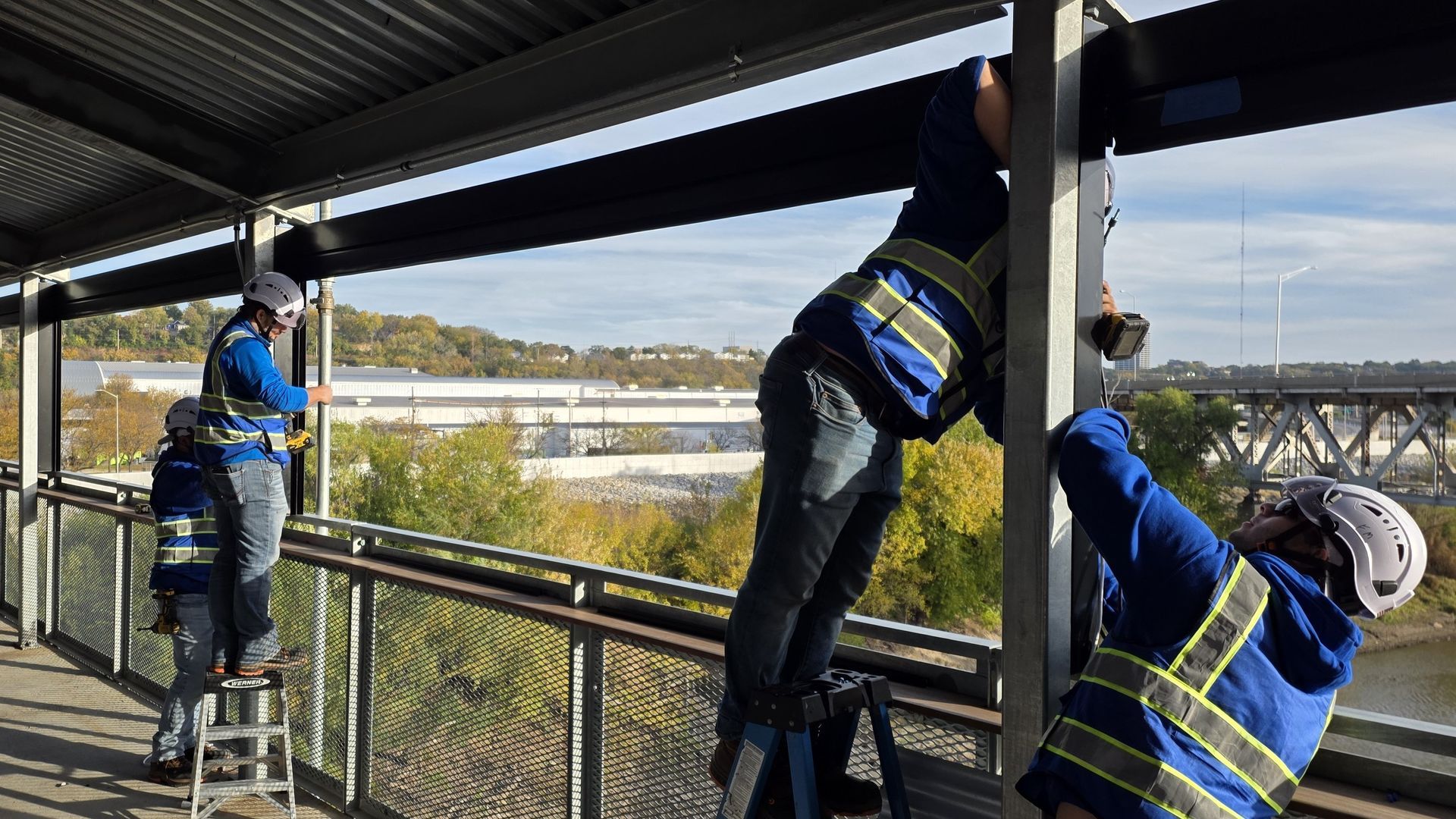
Honeycomb shades aren’t a one-season purchase. Their cellular construction holds its shape through years of daily use. And at Solar Shield Blinds, we install custom honeycomb shades sized to your exact window, so there are no light gaps at the sides where heat slides past the fabric edge.
But it’s important to understand that the savings you see on utility bills vary.
Window count, home orientation, existing wall insulation, and HVAC efficiency all factor in. A home with four south-facing uncovered windows will see a more dramatic shift than one with modern triple-pane glass throughout.
What homeowners notice first is overall comfort, however–not necessarily a line item on a bill. Rooms that felt drafty in winter or stuffy in summer start holding temperature more evenly once the glass is covered properly.
Get Custom Honeycomb Shades In Kansas City, MO From The Pros At Solar Shield Blinds
Here at Solar Shield Blinds, we were voted Kansas City, MO's favorite window treatment company for 2025.
And every custom honeycomb shade we install is backed by the Solar Shield Carefree Guarantee, which includes a 5-Year Solar Shield Service Guarantee. That means, if anything needs attention within five years, we send an install tech at no additional charge.
So if you’re interested in honeycomb shades in Kansas City, MO, and want window treatments that boost comfort and look fantastic, contact Solar Shield Blinds today to schedule your free consultation.
Common Questions About Custom Honeycomb Shades In Kansas City, MO
Homeowners considering insulated window shades often want to know how the shades perform across seasons and how well they fit non-standard windows. Here are the questions we hear most often.
Q: Do cellular window shades make a noticeable difference in winter heating?
A: Yes. Cellular window shades create an insulating air pocket directly at the glass. That pocket slows heat from escaping through the pane overnight. So rooms that felt drafty along the windows tend to feel noticeably warmer once the shades are in place.
Q: Can custom honeycomb shades fit large or non-standard window openings?
A: We handle specialty sizing regularly, including wide windows and non-standard proportions. We also carry solutions for arched and angled glass. Sizing limits depend on the specific fabric and cell type, which we confirm at the consultation.
Q: How do cordless cellular shades hold up after years of daily use?
A: Cordless cellular shades use an internal spring-tensioned lift inside the bottom rail–the horizontal bar at the base of the shade. That mechanism lets you raise or lower the shade with a gentle push or pull. The components are built for daily use over many years.